
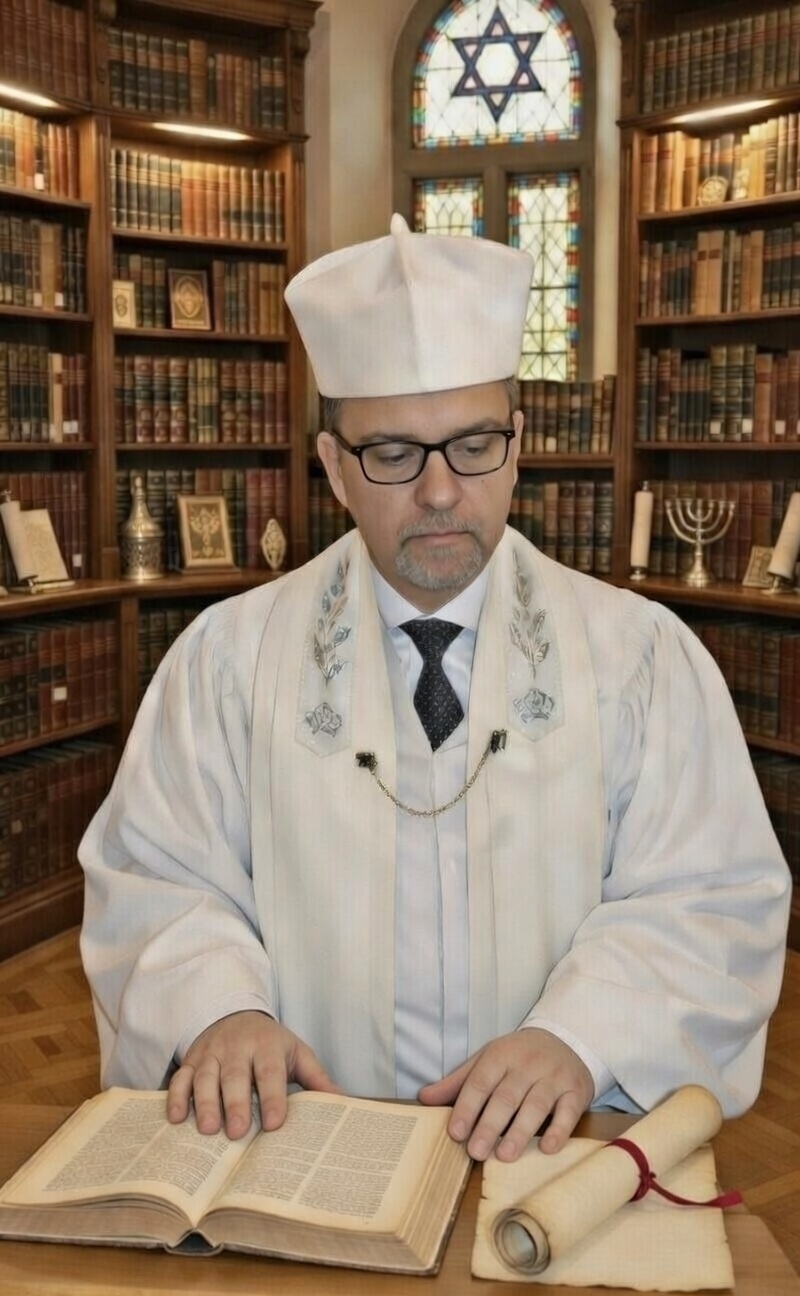

“The early pietists would wait one hour and then pray”
— a discipline essential for the prayer leader
The Talmud teaches:
חֲסִידִים הָרִאשׁוֹנִים הָיוּ שׁוֹהִים שָׁעָה אַחַת וּמִתְפַּלְּלִים
“The early pietists would pause for one hour and then pray.”
(Talmud Bavli, Berakhot 30b)
This teaching is not a romantic description of spiritual elites, but a foundational principle of Jewish prayer. For the shaliaḥ tzibbur, the prayer leader who stands as the mouthpiece of the community, this pause is not optional; it is essential.
Prayer in Judaism is not performance, recitation, or emotional display. It is עמידה לפני המקום—standing consciously before God. The one-hour pause represents the inner work required to cross that threshold. The prayer leader must arrive at prayer already having laid down distraction, self-consciousness, urgency, and personal agenda. Without this inner arrival, the words may be correct, the melody beautiful, and the rhythm precise—yet the prayer remains hollow.
The Talmud’s emphasis is not on technique but on orientation: כדי שיכוונו לבם למקום—“so that they might direct their heart toward the Omnipresent.” For a leader, this means shifting from “I” to “we,” from expression to service. The pause allows the leader to become transparent, so that the community’s longings, griefs, hopes, and praise can pass through them without distortion.
In this sense, the hour is symbolic as much as literal. It teaches that prayer cannot begin at the moment the first word is spoken. It begins earlier, in silence, in stillness, in ethical and emotional alignment. A prayer leader who has not paused inwardly is still carrying the marketplace into the sanctuary.
To lead prayer, then, is to practice self-withdrawal before self-expression. The voice must emerge from quiet, the melody from listening, the gesture from humility. Only then can the leader truly help others pray.
The early sages waited—not because God needed time, but because the human heart does.
 Spirit of Wellness